Compare Local Contractors for Poured Concrete Installation Success
Compare local contractors for poured concrete installation to define scope, verify experience, and set clear expectations for a successful project.
Poured concrete installation encompasses a variety of projects that include creating foundations, driveways, sidewalks, patios, and other flatwork surfaces. This work involves preparing the site, setting forms, pouring the liquid concrete, and finishing the surface to achieve a smooth, durable result. Proper execution requires attention to detail at each stage to ensure the finished product meets structural and aesthetic expectations. Understanding the scope of poured concrete work helps property owners determine what specific services are needed, whether it’s a new installation or repairs to existing concrete surfaces.
Defining the scope of a poured concrete project is essential for setting clear expectations and ensuring the work aligns with the property owner’s needs. A detailed scope includes specifying the size, shape, and finish of the concrete surface, as well as any reinforcement or additional features like decorative finishes or drainage considerations. When engaging with local contractors, it’s beneficial to communicate these details in writing, including any particular preferences or requirements. Clear scope definitions help prevent misunderstandings and provide a basis for comparing different service providers’ expertise and approaches.
Property owners can compare local contractors for poured concrete installation by examining their experience with similar projects, reviewing their portfolio of completed work, and assessing their ability to deliver on specific project details. It’s helpful to verify how each contractor approaches site preparation, finishing techniques, and quality control measures. Asking for references or examples of past projects can provide insight into their capabilities. Additionally, reviewing written proposals that outline the scope, materials, and work procedures allows property owners to make informed decisions and select service providers who demonstrate a thorough understanding of the project’s requirements.
Compare local contractors by outlining project priorities, verifying experience, and clearly defining scope and expectations in writing.
- Define Project Scope - Clearly outline the work to be completed to ensure mutual understanding.
- Verify Experience - Confirm that contractors have relevant experience with poured concrete installation.
- Compare Qualifications - Evaluate local contractors based on their expertise and project history.
- Document Expectations - Put all project details and agreements in writing to prevent misunderstandings.
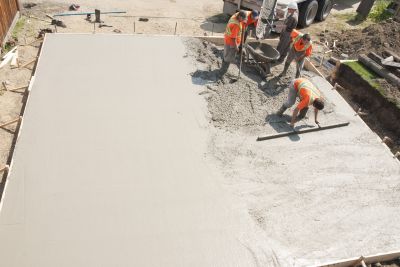
Compare local contractors by clearly describing your poured concrete project, defining scope, verifying experience, and setting expectations in writing.
- Verify experience and references related to poured concrete installation to ensure familiarity with similar projects.
- Ensure scope of work, materials, and finishes are clearly defined and agreed upon in writing before starting.
- Check that the contractor understands proper site preparation, including formwork and reinforcement requirements.
- Confirm that the contractor plans to use appropriate curing methods to achieve proper concrete strength and durability.
- Discuss and document the project's specifications, including thickness, finish type, and any decorative elements.
- Compare multiple local contractors to assess their approach, communication, and clarity in setting project expectations.
Compare local contractors’ experience and clarify project scope to ensure expectations are aligned in writing.
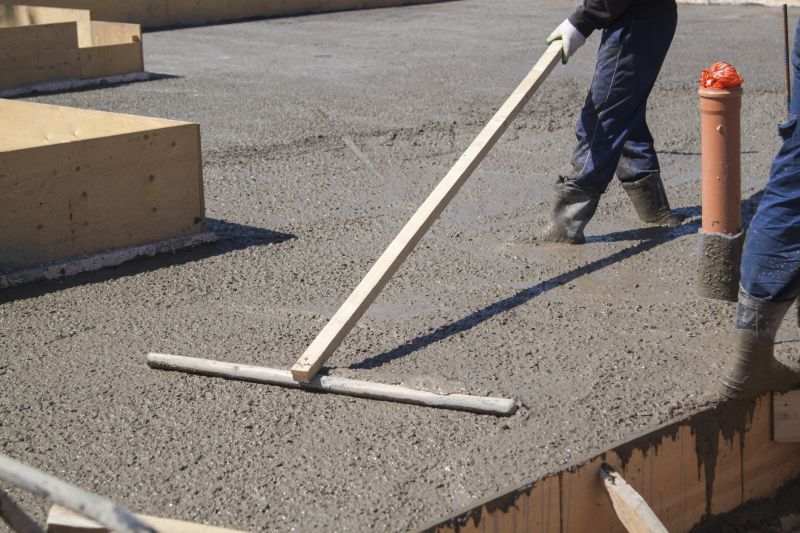



Learn how to compare local contractors for poured concrete installation by defining scope, verifying experience, and setting clear expectations.
- Scope Definition - Clearly outline the specific areas and dimensions to be poured and finished.
- Material Specifications - Specify the type and quality of concrete and reinforcement materials required for the project.
- Preparation Requirements - Detail the site preparation, form setup, and any necessary sub-base work needed before pouring.
- Workmanship Expectations - Describe the desired finish, texture, and curing methods to ensure consistent results.
- Documentation and Agreement - Ensure all scope details are documented in a written agreement to set clear expectations.
When comparing contractors for poured concrete installation, it’s important to evaluate their experience with similar projects. Homeowners should seek service providers who have a proven track record in installing concrete slabs, driveways, or other structures comparable to the scope of the current project. Asking for examples or references of past work can help determine whether a contractor has the relevant expertise and familiarity with the specific challenges involved. An experienced contractor is more likely to understand the nuances of site conditions, material handling, and proper finishing techniques, which can contribute to a successful outcome.
A clear, written scope of work is essential when assessing potential contractors. This document should outline the specific tasks, materials, dimensions, and any special considerations involved in the project. Having a detailed scope helps prevent misunderstandings and ensures that all parties share the same expectations. When comparing options, homeowners should review the scope carefully, asking service providers to clarify any ambiguous language or unspecified details. A well-defined scope also makes it easier to evaluate whether a contractor’s proposed approach aligns with the project’s needs and complexity.
Verification of a contractor’s basic qualifications involves confirming their ability to deliver the work as described and their understanding of industry standards. Homeowners can ask service providers to explain their process for preparing the site, pouring, finishing, and curing concrete. Additionally, requesting proof of insurance or references can provide reassurance of their professionalism and reliability. It’s beneficial to verify that the contractor is familiar with local site conditions and building codes, which can impact the quality and longevity of the installation. These basic checks help ensure that the selected service provider has the foundational knowledge necessary for a successful project.
Evaluating options without focusing on prices involves comparing the quality of proposals, scope details, and experience. Homeowners should consider how well each contractor understands the project and whether their written scope aligns with expectations. It’s also helpful to assess the clarity and thoroughness of their communication, as this reflects their professionalism and attention to detail. Asking service providers about their approach to project management, site preparation, and finishing techniques can reveal their level of expertise. By focusing on the substance of the proposals and the qualifications of the contractors, homeowners can make informed decisions that support a durable and well-executed poured concrete installation.
Ask contractors to provide written scope descriptions to ensure clear expectations and consistent project understanding.
- Experience and References - What specific experience do local contractors have with poured concrete installation projects similar to yours?
- Scope of Work - How do contractors define and clarify the scope of the poured concrete work to ensure all expectations are documented?
- Materials and Techniques - What materials and installation techniques do local service providers typically use, and how do they compare?
- Project Management - How do contractors plan to manage the project to meet your specifications and avoid scope creep?
- Communication and Expectations - What methods do local contractors use to communicate project details and ensure mutual understanding in writing?
How can I compare contractors for poured concrete installation? To compare contractors, review their experience, check references, and verify their scope of work to ensure they meet project requirements.
What should I consider when defining the scope of my concrete project? Clearly outline the size, thickness, finish type, and any additional features needed to help contractors understand your expectations and provide accurate proposals.
How do I verify a contractor’s experience with poured concrete installation? Ask for details about their previous projects, request references, and review any portfolios or case studies they can provide to assess their expertise.
Why is it important to have a written agreement with a contractor? A written agreement helps define project scope, responsibilities, and expectations, reducing misunderstandings and ensuring clarity throughout the work process.
What questions should I ask a contractor before hiring for poured concrete work? Inquire about their experience, the materials they use, how they handle site preparation, and their approach to finishing and curing concrete.
How can I ensure the contractor understands my project needs? Communicate your expectations clearly in writing, including scope, finish preferences, and any specific requirements, and confirm that the contractor agrees to these terms before work begins.
By understanding the key steps involved in pouring and installing concrete, visitors can better compare local contractors and ensure they choose professionals who meet their project needs. Clarifying the scope of work, verifying experience, and putting all expectations in writing helps create a clear foundation for the project. Using the quote form allows for easy comparison of different service providers, making it simpler to find the right match for the job.
Taking the time to define project details and ask potential contractors about their experience can lead to more informed decisions. Connecting with reputable local service providers through the quote form provides an opportunity to explore options and gather the information needed to move forward confidently. This approach supports making well-informed choices when selecting a contractor for poured concrete installation.